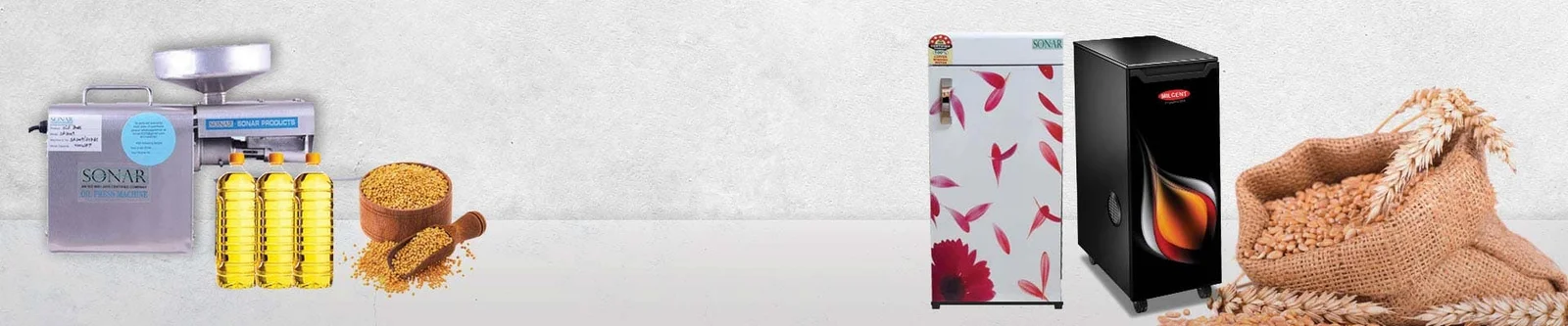
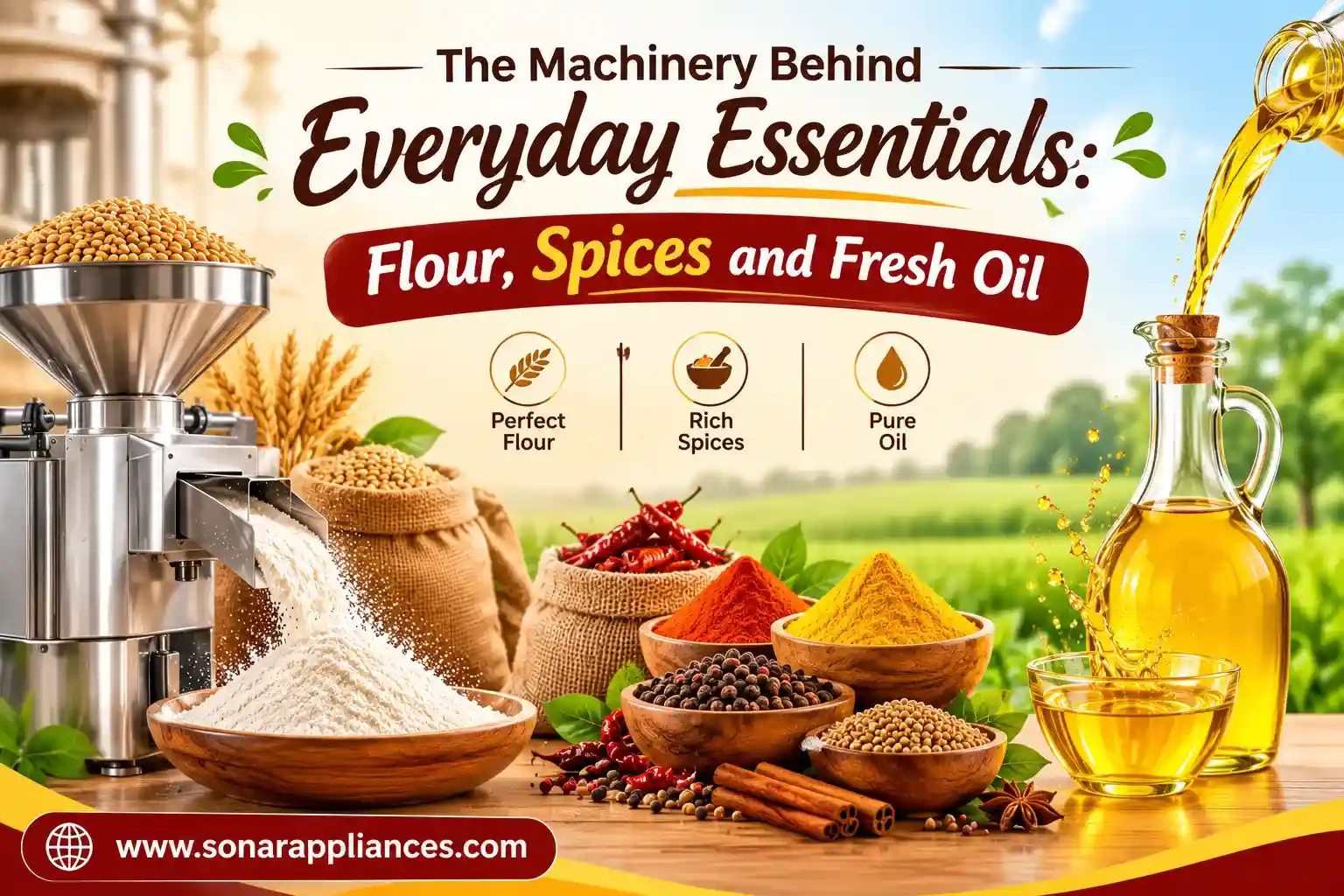
Have you ever wondered how much effort goes into the ingredients we use every day? A bowl of flour, a spoonful of ground masala or a bottle of cooking oil may look simple but each item has its own process behind it.
For a person running a food processing business these everyday products involve more than raw ingredients. There are orders to finish batches to make and quality to keep. As production grows, handling everything with equipment can become hard. The machine you choose can really change your workflow.
From grinding spices to milling wheat and extracting oil let us look at the machines that support food processing needs.
Machines for Different Grinding Needs
Imagine having several ingredients ready for processing but limited space for equipment. Setting up a machine for each ingredient may not be the most convenient arrangement.
For businesses that handle grinding requirements Multipurpose Grinder Machine Suppliers can be a useful starting point. These machines are worth considering when the workload involves ingredients and when the equipment must support more than one grinding application. Motor strength, grinding capacity and cleaning arrangements still deserve attention.
The Secret Behind Consistent Spice Grinding at Scale
A spice business can have a busy schedule. One day there may be orders for chilli powder. The next day may bring requests for coriander, turmeric or custom masala blends. Processing batches calls for equipment that can keep up.
That is where Industrial Masala Grinder Exporters become relevant to businesses that source machinery for spice production. Consistent grinding, batch capacity and the ability to handle the required ingredients are points when planning a production setup.
Ready to Turn Oilseed Processing into a Bigger Business?
One customer asks for oil, another prefers sesame oil and mustard oil has its own regular demand. For an oil processing business handling seeds means understanding the requirements of the extraction process.
Businesses that source from Commercial Cold Press Oil Machine Exporters may need equipment suited to their planned output and oilseed requirements. Machine construction, operating capacity and maintenance arrangements all influence how well the machine fits into the production unit.
Cold Pressing for Everyday Oil Production
There is growing interest in how cooking oil's produced. Some consumers ask about the seeds while others want to understand the extraction method. For entrepreneurs this creates an opportunity to build a business around a process that customers are curious about. A conversation with Cold Press Oil Machine Suppliers can help clarify machine options, seed compatibility and operating requirements. It is worth understanding the process from feeding the seeds to collecting and storing the extracted oil.
Everyday Flour Needs, One Important Machine
Think about a neighbourhood flour mill. Customers arrive with wheat and wait for their flour. Return home with something they use almost every day. During hours the machine must handle regular work without making the process unnecessarily slow.
For setups Atta Chakki Machine Suppliers are relevant to the equipment selection process. Grinding capacity, motor performance, flour output and the expected daily workload all influence which machine will be appropriate.
Mustard Oil Production Begins with the Right Process
Mustard seeds have a place in Indian kitchens but turning them into oil involves a specific extraction process. Someone who plans a mustard oil unit needs to understand the seed requirements and the machines working capacity before starting production.
This makes Cold Press Mustard Oil Extraction Machine Suppliers an important part of the sourcing process. The equipment should match the intended production volume, operating conditions and maintenance expectations.
Bringing the Flour Mill Experience into Your Kitchen
Not every family wants to depend on a flour mill for its everyday needs. Some prefer having a machine at home especially when freshly ground flour is part of their regular kitchen routine.
For these households Gharelu Atta Chakki Manufacturers are associated with machines designed around needs. Size, ease of operation, safety, cleaning and storage are details that matter more than simply choosing a machine with a high capacity.
Household Flour Milling Equipment for Different Markets
A domestic flour mill may look like a product but buyers in different markets can have different requirements. Electrical specifications, household usage patterns and product configurations may vary depending on the destination. This is why Domestic Flour Mill Exporters need to provide information about machine specifications, packaging and operating requirements. For distributors and buyers these details help establish whether a particular model is suitable for the market.
Why Choose Sonar Appliances?
Choosing food processing machinery is not about buying equipment. It is about finding machines that fit your ingredients production volume and working conditions. A grinder that works well for one business may not be the choice for another.
Sonar Appliances offer a range of food processing machinery. Whether you're setting up a new unit or upgrading your old machines, comparing the specifications and knowing what you need for your daily production can help you make an informed decision.
Before ordering, talk through your requirements, check out the details of the machine and what support you can expect. A little research can help make your daily production easier.
FAQs
1. When to know if your food business requires an industrial grinder?
Consider the number of orders you receive, the volume per batch you process and how frequently the machine will run. Your daily workload should guide the choice.
2. Can the same grinder be used for turmeric, chilli and coriander?
Not every grinder handles all ingredients in this way. Check the machine's recommended applications and cleaning requirements when switching between spices.
3. Will a cold press oil machine work for different seeds?
Some machines can be used for multiple oil seeds. However you should check what seeds they can be used for.
4. What should I consider if I want to put an atta chakki at home?
Consider what space you have, electrical requirements, noise, cleaning and how much flour your family will need.
5. How can I plan for my future production as a food processing business?
Work out how much you're likely to be ordering, what processes you may need more capacity for and choose machinery that will work for you now but also in the future.